January 8, 2026
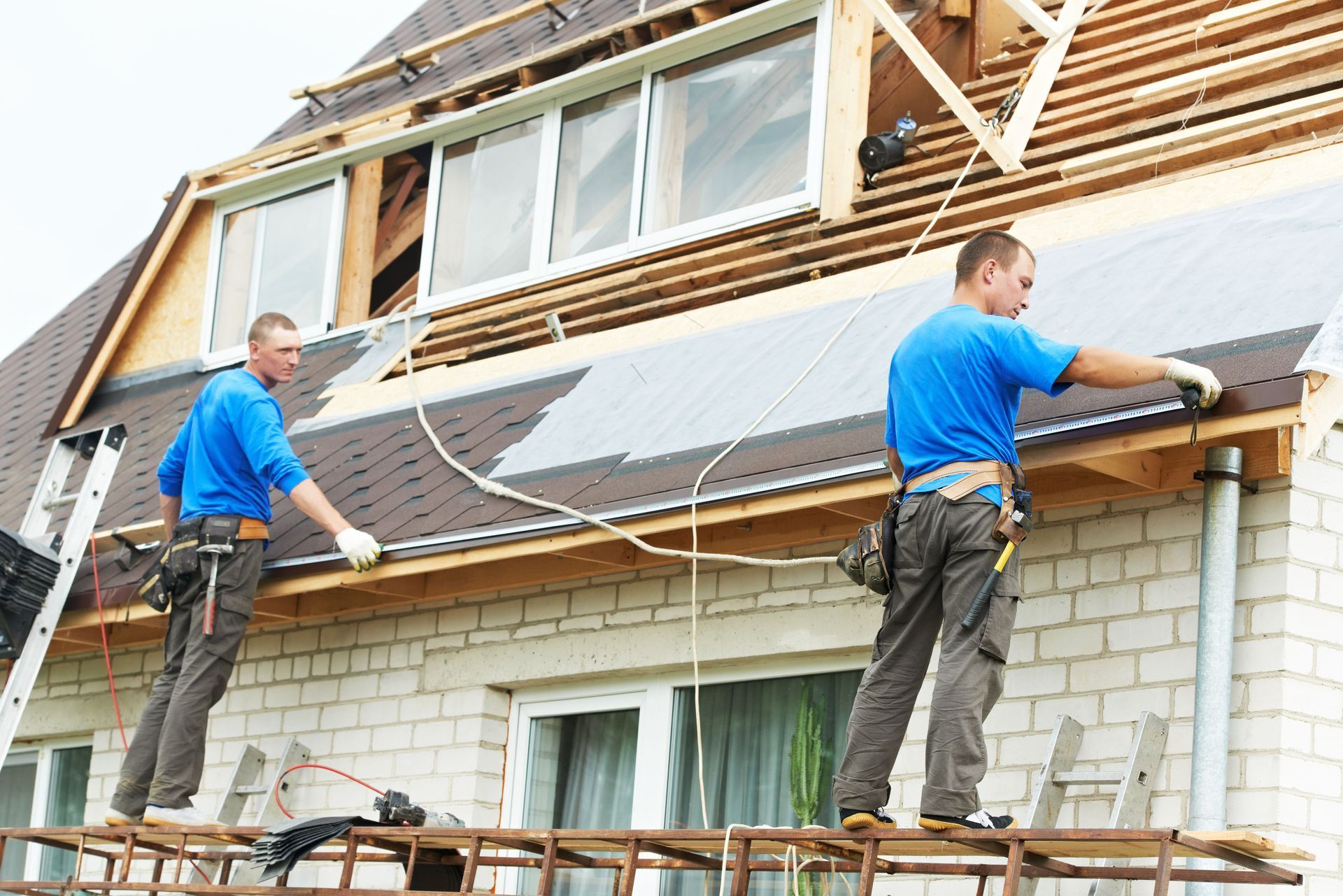
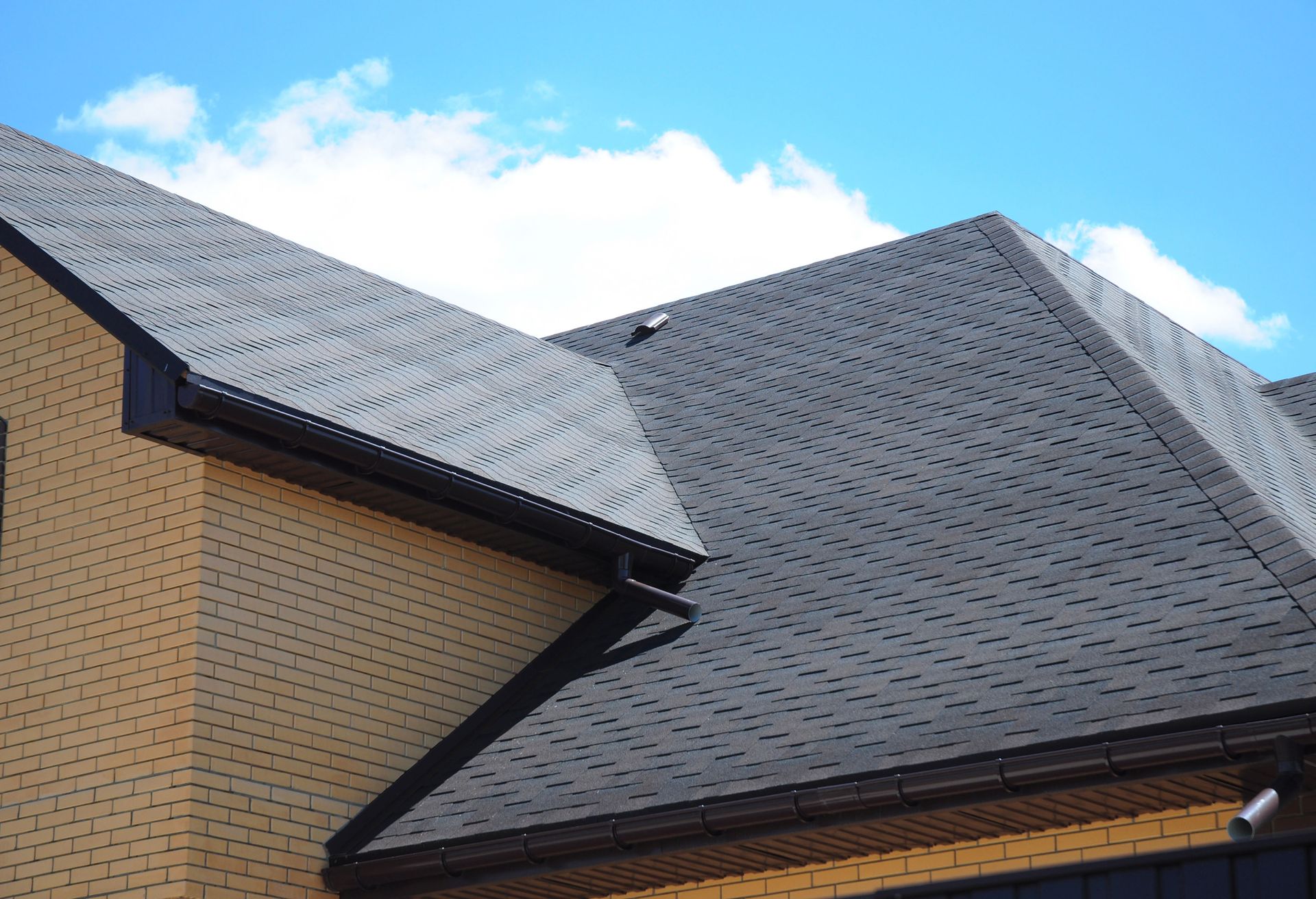
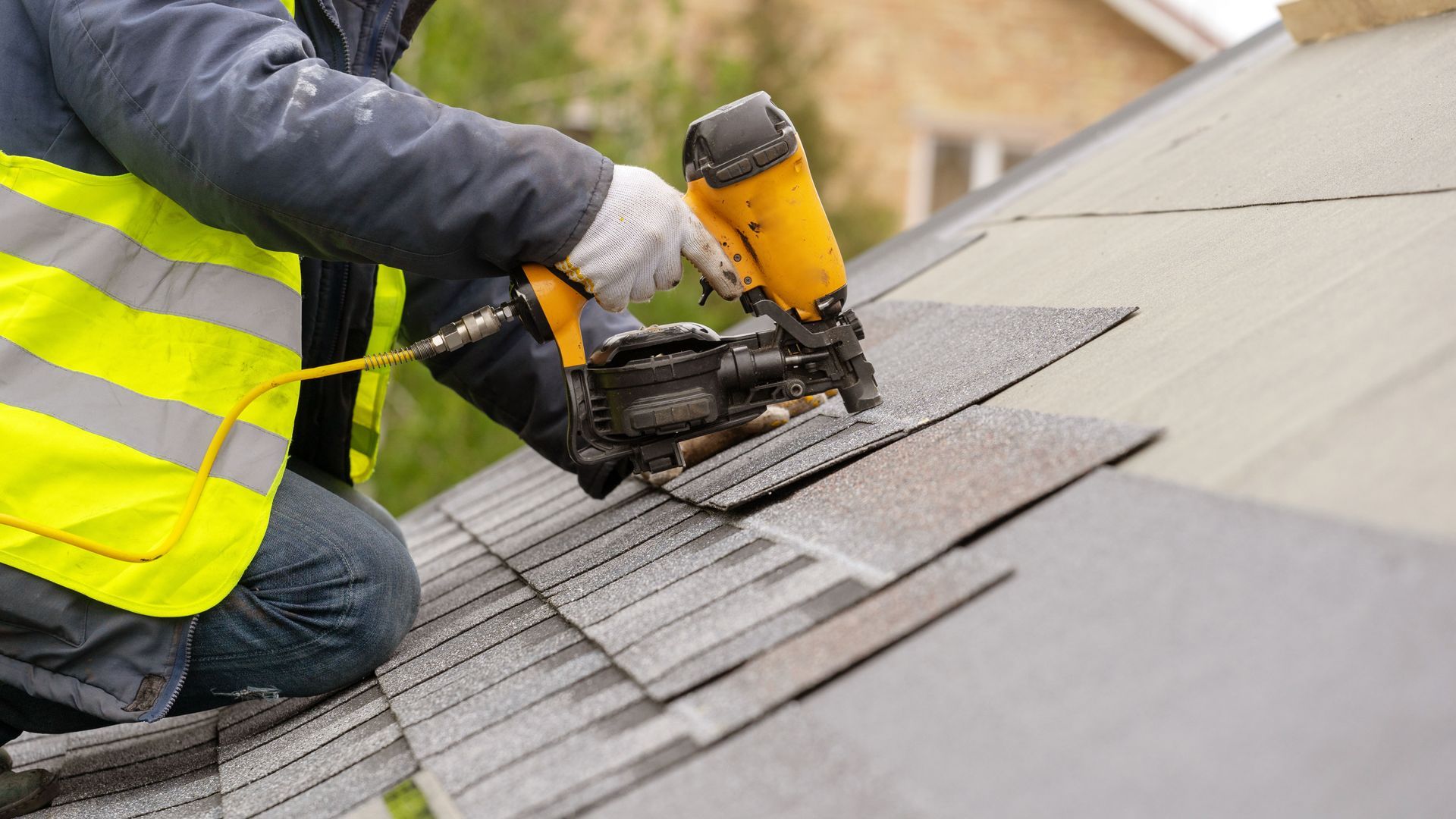
In this article, we will explore the key indicators that suggest it might be time to engage professional roofing services. Understanding these signs not only helps in maintaining a healthy roof but also ensures the longevity of your home’s structure. Whether you are a homeowner or a property manager, recognizing the right time for professional roofing services is essential. Ignoring these signals can lead to severe structural damages that become increasingly expensive to repair. Therefore, it is crucial to remain vigilant and adequately informed about the health of your roof.
1. Signs of Roof Damage
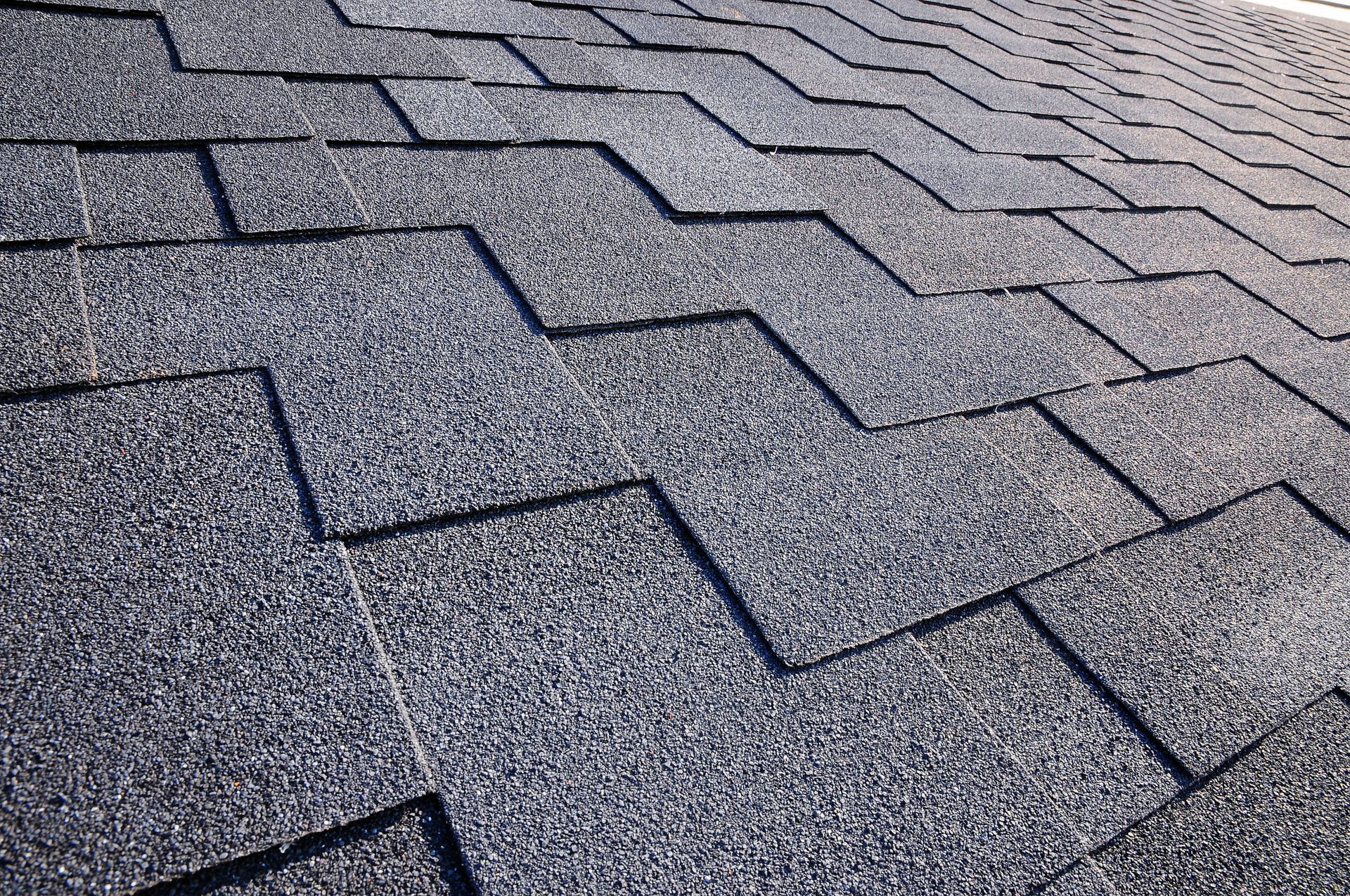
The visibility of shingle deterioration is often one of the most noticeable signs that your roof might be in trouble. Shingles can curl, crack, or even go missing due to prolonged exposure to the elements. These damages can compromise the roof’s ability to protect the home from water infiltration, leading to serious issues if left untreated. Homeowners should regularly check the condition of their shingles as part of routine maintenance. A proactive approach can prevent minor issues from evolving into costly repairs down the line.
Granule loss is another critical indicator that your roofing material is wearing out. You might notice granules collecting in your gutter, resembling coarse sand, which indicates that your shingles are losing their protective surface material. This typically occurs as the roof ages and the protective granule layer is stripped away by various factors such as rain and wind. Without this protective granule layer, shingles become more vulnerable to damage and less effective in shielding the home from external elements. Addressing granule loss promptly can help maintain the roof’s integrity and functionality.
Water stains on ceilings and walls are unmistakable indicators of potential leaks and require immediate attention. Discoloration or often yellowish-brown stains on ceilings or walls can signal water seepage due to a compromised roof. If not addressed in time, these water infiltrations can lead to mold growth, further deteriorating health conditions within the home. Moreover, water damage can weaken the structural integrity of ceilings and walls, leading to more extensive repairs. Inspection and repair of roof leaks should be a priority to mitigate larger issues.
2. Age of the Roof
The age of your roof is a significant factor in determining its current condition and longevity. Different roofing materials have varying lifespans; for instance, asphalt shingles generally last around 20 to 25 years, while metal roofs can last up to 70 years. Knowing the lifespan of your roofing material can help you anticipate when it might be time to consider replacement. An aging roof may not yet show clear signs of damage but could soon develop issues. Proactively planning for a roof replacement before severe problems occur can save you from unexpected expenses.
Regular wear and tear are inevitable as your roof ages, making it crucial to assess how this contributes to roof deterioration. Over time, consistent exposure to weather elements, such as sun, rain, and snow, gradually wears away the roof's protective layers. This continual degradation can lead to leaks and structural weaknesses, leaving your home vulnerable. Addressing wear and tear before it becomes significant damage is cost-effective and ensures continued protection. Scheduling regular inspections can help monitor the roof's condition and prompt timely repairs or replacements as necessary.
A detailed examination of your roof’s repair history can provide insights into its overall condition. Frequent repairs might indicate recurring issues or an underlying problem that has not been addressed comprehensively. Understanding the extent and frequency of past repairs assists in deciding whether a complete roof replacement is more economical than ongoing patchwork solutions. Additionally, knowing your warranty period's expiry can also impact your decision, as repair costs may not be fully covered after it ends. Evaluating these factors can help you make informed decisions about your roof management strategy.
3. Weather Impact Considerations
Weather-related damages can significantly affect the integrity of your roof, making it critical to examine any visible effects of storm damage. According to Fixr, wind, hail, and storms accounted for more than 50% of all residential roofing insurance claims. This statistic underscores the importance of assessing your roof for damage after severe weather events. High winds can dislodge shingles, while hail can create punctures, weakening the roofing structure. It's essential to conduct immediate inspections following storms to identify necessary repairs and prevent further deterioration.
Areas that experience significant snow and ice accumulation must contend with unique roofing challenges. Snow buildup adds weight to the roof, increasing the risk of structural damage or collapse, while ice dams can form along the roof's edges. Ice dams primarily occur when heat escapes from the roof, melting snow and causing water to refreeze at the eaves, potentially leading to leaks. Preparing your roof to withstand these elements includes ensuring proper insulation and ventilation to regulate temperature and prevent ice damming. Proactively addressing these issues can save on costly repairs and prolong the roof's lifespan.
Your roof's exposure to prolonged sun and extreme temperatures can also impact its longevity. Continuous UV radiation can degrade roofing materials, causing fading and material breakdown over time. Additionally, thermal expansion and contraction due to fluctuating temperatures can stress the roof structure, leading to cracks or shingle damage. Understanding these risks allows homeowners to address concerns through adequate ventilation, protective coatings, and selecting appropriate materials designed to withstand such conditions. This proactive approach helps in mitigating sun-related roof damage.
4. Increased Energy Bills
Rising energy bills can often be traced back to roofing issues impacting insulation efficiency. Improper insulation may cause heat or cool air to escape, forcing your HVAC system to work harder to maintain comfortable indoor temperatures. This inefficiency not only leads to higher utility costs but can also decrease the lifespan of your HVAC units. Homeowners often overlook the impact of roof condition on energy consumption, but an energy audit offers clarity on areas of heat loss. Addressing these issues by repairing or updating roofing can lead to significant energy savings.
Difficulties in temperature regulation within the home can sometimes be attributed to roof degradation. Inefficient roofing can contribute to inconsistent heating or cooling, making certain areas of your home less comfortable. If you notice hot or cold spots, your roof may be allowing external temperatures to influence your indoor climate. Addressing this through improved insulation and sealing can stabilize temperatures and reduce HVAC strain. Consistent interior temperatures contribute to a more comfortable living environment and economical energy use.
Unseen air leakages within the roofing structure may be silently contributing to inefficiencies that reflect on your energy bill. Air leaks occur when there are gaps or cracks in the roof where air can escape, leading to significant energy loss. Conducting a thorough inspection to identify and seal these leaks can prevent wasted energy and improve overall home efficiency. An energy audit can provide professional insight into potential problem areas that might not be visible. Understanding air leakage's role in energy use aids in prioritizing necessary roofing repairs.
Recognizing when it's time to find roofing services involves a comprehensive understanding of various signs of roof health and maintenance needs. From visible damage and age to environmental impact and energy efficiency, each factor plays a crucial role in decision-making. Regular monitoring and timely intervention can save homeowners from more extensive repairs and escalate the longevity and value of their property. By understanding these indicators, homeowners can make informed decisions about maintaining or replacing roofing systems. Ultimately, investing in a roof’s health not only enhances protection but also preserves the property’s value and aesthetic appeal. Be sure to reach out to Greiner Roofing & Consulting today for more information on our professional roofing services!